Flaking Paint: Immediate Treatment to Prevent Loss
Why choose us?
Emergency stabilization when required
Precision treatment using conservation-appropriate adhesives
No unnecessary overpainting—just safe, ethical intervention
Full treatment records and recommendations for future care
How to identify this issue:
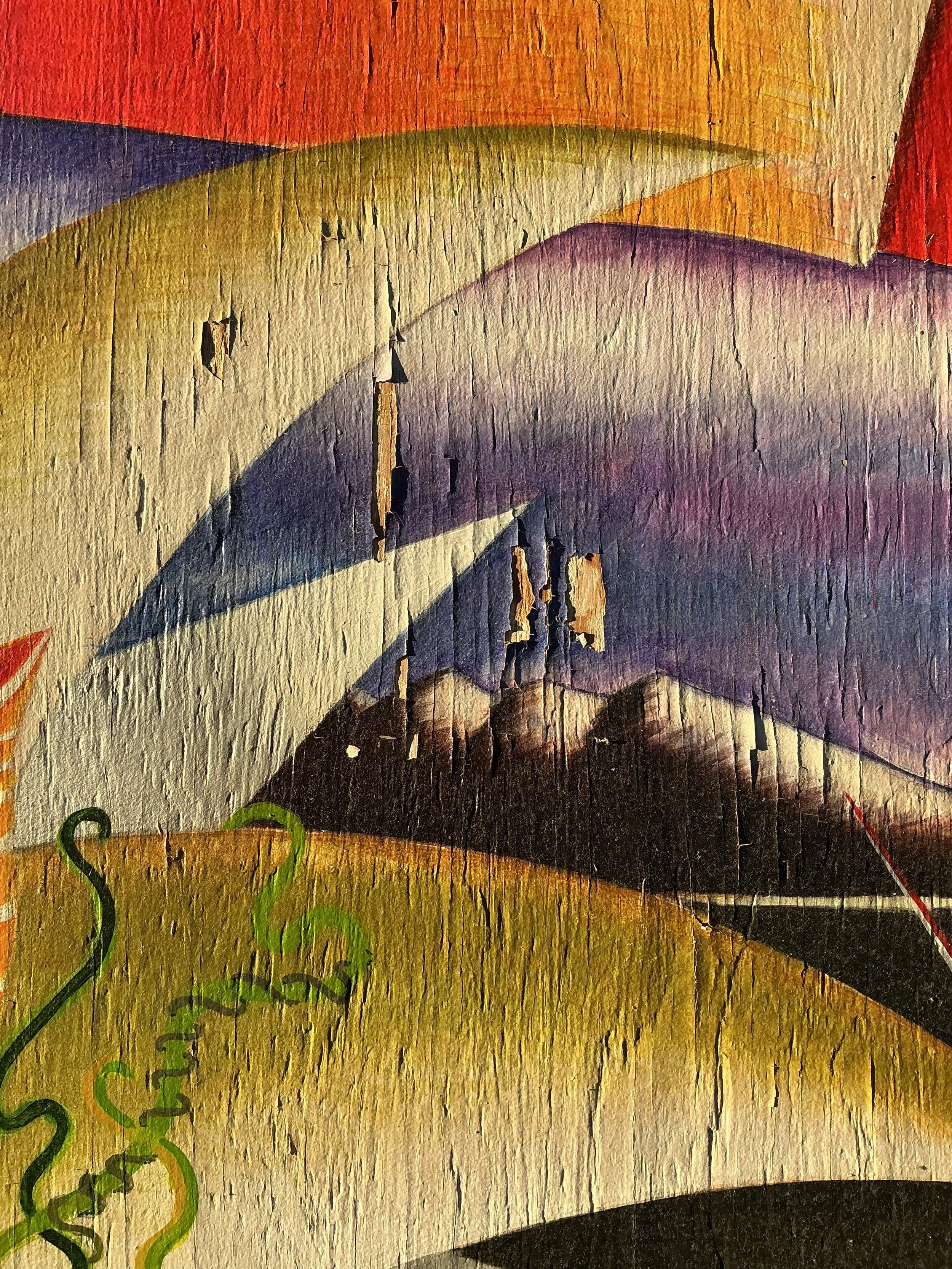
You may be able to see chipped losses missing from the composition. Raised edges or cracks that cast shadows in a raking light can be signs of active flaking that requires immediate attention.
Why it matters:
Once the original paint is lost, it’s gone for good. In institutional and private collections alike, this kind of damage affects an artwork’s integrity, exhibition potential, and appraised value. Well-executed retouching is a cosmetic improvement, but preventing more loss is of primary importance.
How we help:
Our conservators work under magnification to carefully apply an appropriate adhesive directly where it is needed to stabilize the surface and prevent further loss. We avoid over-treatment and select materials that are compatible with the artwork’s age and media.
What to expect:
The treatment procedure that we will perform is called “consolidation”. Often, there is not a very big change in appearance, but this is one of the most important treatment steps because it safeguards the original material.
In severe cases it may be necessary to ensure that flaking paint is stabilized before the painting is transported to our studio.
Filling in loss and applying color to match the surrounding paint is a separate step that is only performed after the paint is secure. We will consult on what levels of inpainting to consider for your artwork.